Storm Debris Cleanup: A Game Plan for Greater New Orleans
After a storm, everyone needs a hauler at once. A plan made before hurricane season gets your property cleared faster and safer.
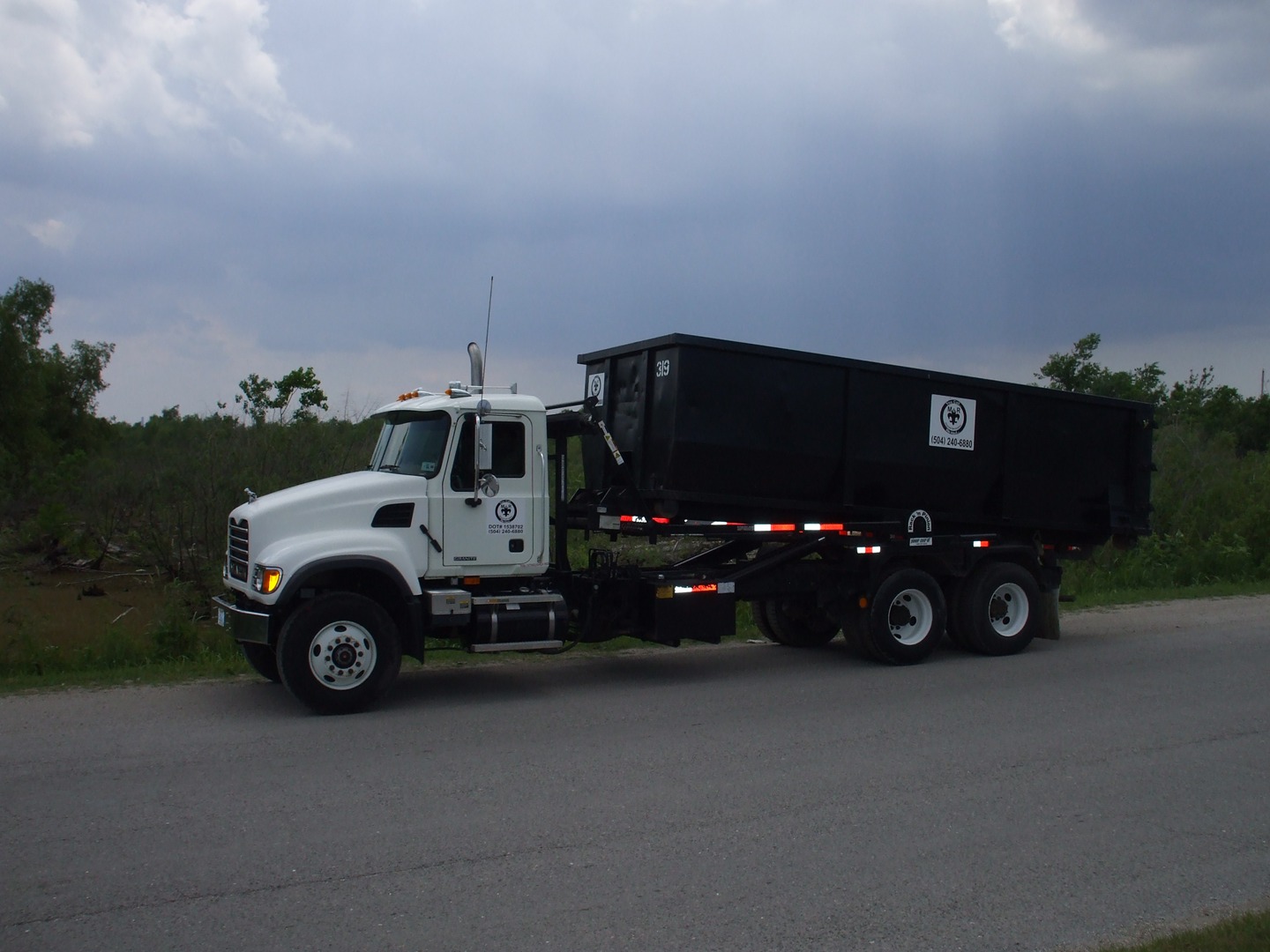
Everyone along the Gulf Coast knows the pattern: the storm passes, and then the whole region needs a hauler on the same week. The homeowners and contractors who planned ahead get cleared first.
Before the season
- Save a hauler's number in your phone now: (504) 287-2348.
- Photograph your property, inside and out, so you have a baseline for insurance.
- Know your parish's debris rules. Parishes often run curbside storm debris pickup after major events, with rules about how to sort and stack. Check your parish's announcements after the storm.
- Trim dead limbs before they come down on the roof.
Right after the storm
- Safety first. Stay away from downed power lines and call the utility. Don't cut limbs tangled in lines.
- Document everything before you clean: photos and video of every damaged area.
- Call your insurer and ask what they need before debris is removed.
Sort as you go
Whether it's curbside or a container, sorted debris moves faster:
- Vegetation: limbs, leaves, logs
- Construction debris: drywall, lumber, carpet, roofing
- Appliances: kept separate, especially anything with refrigerant
- Hazardous material: paint, chemicals, fuel; never mixed in
Dumpster or curbside?
Curbside parish pickup can be slow, and it comes on the parish's schedule.
A roll-off on your property lets you clear debris on your schedule: tear out wet drywall and flooring, load as you go and keep the street clear. For gutted rooms and roofing damage, a 20 or 30-yard usually fits.
Junk removal works when the debris is already piled and you need it gone in one trip.
For contractors doing restoration work
Restoration crews run several properties at once after a storm. Line up containers and swaps before the season, and ask about contractor pricing. We're a local yard in New Orleans East, not a national broker routing calls out of state.
Watch the drainfield
If the property is on septic, keep containers and trucks off the tank and drainfield. Flooding can also overload a septic system. If drains are slow after the water goes down, have it checked. See septic pumping.
Planning a job in Greater New Orleans? Call (504) 287-2348 or get a quote. We confirm the size, the placement and the price before anything is scheduled.
Frequently asked questions
Should I take photos before cleaning up storm damage?
Yes. Photograph and video every damaged area before removing debris, and ask your insurer what they need.
How should storm debris be sorted?
Separate vegetation, construction debris, appliances and hazardous material. Check your parish's rules for curbside pickup.
What size dumpster for storm cleanup?
For gutted rooms or roofing damage, a 20 or 30-yard roll-off usually fits.